1. The Strategic Importance of Asset Lifecycle Management
In an era defined by economic volatility and rapid technological advancement, organisations can no longer afford to view physical assets merely as operational necessities. Today, asset lifecycle management has emerged as a critical strategic priority for asset-intensive industries. According to recent market analysis, the global Enterprise Asset Management (EAM) market is projected to grow from USD 5.87 billion in 2025 to USD 9.02 billion by 2030, driven largely by the need for comprehensive lifecycle optimisation.
This shift reflects a fundamental change in how businesses approach infrastructure. Rather than relying on reactive maintenance, forward-thinking leaders are implementing asset lifecycle management to track, maintain, and optimise every piece of equipment from acquisition to disposal. By adopting this holistic approach, organisations can significantly reduce capital expenditures, ensure regulatory compliance, and maximise the return on investment (ROI) of their physical infrastructure.
2. What is Asset Lifecycle Management?
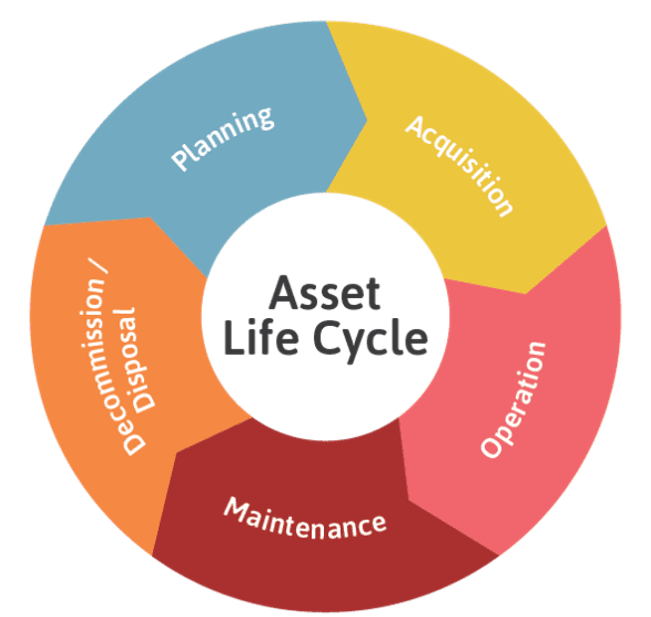
Asset lifecycle management (ALM) is the systematic process of maximising the value and performance of physical assets throughout their entire lifespan. It encompasses a series of coordinated activities, including planning, procurement, operation, maintenance, and eventual decommissioning. The primary goal of ALM is to ensure that assets operate at peak efficiency while minimising the Total Cost of Ownership (TCO).
Unlike traditional maintenance strategies that focus solely on keeping equipment running, asset lifecycle management takes a broader financial and operational view. It leverages data to make informed decisions about when to repair, upgrade, or replace an asset. Modern ALM solutions support regulatory compliance, safety monitoring, and performance analytics, making them indispensable for industries such as manufacturing, energy, and transportation.
3. Key Stages of the Asset Lifecycle
A robust asset lifecycle management framework typically involves four distinct stages. Effectively managing each phase is crucial for achieving long-term operational success.
3.1 Planning and Procurement
The lifecycle begins long before an asset is installed. During the planning phase, organisations assess their operational needs, evaluate potential solutions, and calculate the projected Life Cycle Cost (LCC). This stage involves rigorous financial modelling to ensure that the initial procurement cost aligns with long-term energy and maintenance expenses.
3.2 Deployment and Commissioning
Once acquired, the asset must be properly installed and integrated into the existing operational ecosystem. This phase includes rigorous testing, calibration, and the establishment of baseline performance metrics. Proper deployment is essential to prevent early-stage failures and ensure that the asset meets safety and compliance standards.
3.3 Operation and Maintenance
This is typically the longest and most cost-intensive phase of the lifecycle. Effective asset lifecycle management during this stage relies heavily on preventive and predictive maintenance strategies. By continuously monitoring asset health and scheduling regular servicing, organisations can reduce equipment downtime and extend the useful life of the machinery.
3.4 Decommissioning and Disposal
Eventually, every asset reaches the end of its optimal lifespan. When the cost of maintenance exceeds the value of replacement, the asset must be safely decommissioned. A structured disposal process ensures environmental compliance, safe removal, and the potential recovery of residual value through recycling or resale.
4. 2026 Trends: Cloud EAM and Predictive Maintenance
The landscape of asset lifecycle management is evolving rapidly, driven by significant technological innovations. In 2026, two major trends are reshaping how organisations manage their infrastructure: cloud-based EAM systems and AI-driven predictive maintenance.
4.1 The Rise of Cloud-Native EAM Platforms
Traditional, on-premise asset management systems are increasingly being replaced by agile, cloud-native EAM platforms. Cloud deployment offers unparalleled scalability, real-time data accessibility, and lower upfront implementation costs. Furthermore, edge computing allows asset data to be processed closer to the source—such as on factory floors or in logistics hubs—enabling faster decision-making for maintenance teams.
4.2 AI and Predictive Maintenance Integration
Artificial intelligence is revolutionising the operation and maintenance phase of the lifecycle. By integrating AI with IoT sensors, modern EAM platforms can detect anomalies and predict equipment failures before they occur. This shift from reactive to proactive maintenance not only prevents costly unplanned downtime but also optimises resource allocation. Industry reports indicate that AI-enabled predictive maintenance is a primary driver accelerating global EAM adoption.
5. How Asset Lifecycle Management Reduces Total Cost of Ownership (TCO)
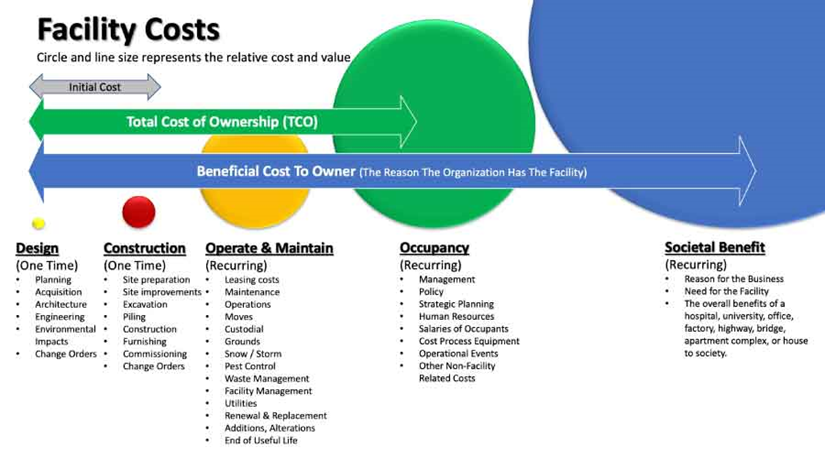
One of the most compelling arguments for implementing comprehensive asset lifecycle management is its profound impact on the Total Cost of Ownership. TCO encompasses all expenses associated with an asset, including acquisition, operation, maintenance, and disposal.
| Cost Category | Impact of Asset Lifecycle Management |
| Acquisition Costs | Data-driven planning ensures optimal procurement, avoiding over-specification and unnecessary capital expenditure. |
| Maintenance Costs | Transitioning to predictive maintenance reduces emergency repair costs and optimises spare parts inventory. |
| Operational Costs | Continuous monitoring ensures assets run efficiently, reducing energy consumption and operational waste. |
| Downtime Costs | Proactive issue resolution drastically cuts the financial losses associated with unplanned production halts. |
By breaking down information silos and providing a unified view of asset data, ALM enables financial and operational teams to collaborate effectively, ensuring that every asset contributes positively to the bottom line.
6. Integrating Facility Management with ALM
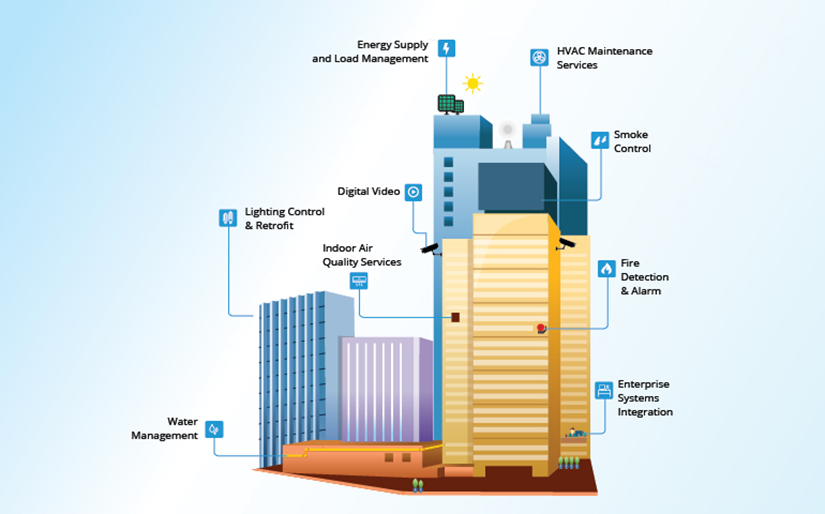
Asset lifecycle management is not limited to heavy industrial machinery; it is equally critical in the realm of facility management. Large buildings and commercial spaces house complex networks of assets, including HVAC systems, elevators, and security infrastructure. Effective administrative asset management within facilities requires a seamless integration of EAM and Facility Management (FM) systems. This integration ensures that all building assets are tracked, maintained, and optimised for energy efficiency and occupant safety. For organisations managing extensive facility portfolios, implementing structured inspection and patrol routines is vital. Solutions like 313FM AI Patrol & Inspection provide the necessary digital tools to ensure comprehensive facility oversight and compliance.
7. Transforming Assets into Value Drivers
In 2026, relying on fragmented, reactive maintenance strategies is a competitive disadvantage. To thrive, organisations must embrace asset lifecycle management as a core business strategy. By leveraging advanced EAM technologies, integrating AI-driven predictive maintenance, and fostering cross-departmental collaboration, companies can transform their physical infrastructure from a cost centre into a powerful driver of sustainable growth. Ready to take control of your infrastructure and maximise your asset ROI? Discover how a modern, comprehensive solution like SAMEX EAM can streamline your operations, reduce downtime, and deliver unparalleled visibility across your entire asset portfolio.