Introduction
In an era where industrial operations are increasingly complex and margins are tight, traditional paper-based maintenance processes are no longer sufficient. As we move through 2026, mobile EAM has emerged as a transformative force, fundamentally reshaping how organizations manage their physical assets. By equipping field technicians with real-time data and untethered access to critical information, mobile enterprise asset management solutions are eliminating data silos and driving unprecedented operational efficiency.
The shift toward mobile-first maintenance is not merely a technological upgrade; it represents a strategic imperative for businesses aiming to remain competitive. Facility managers and operations executives are recognizing that empowering their workforce with mobile EAM capabilities is essential for minimizing downtime, enhancing data accuracy, and maximizing return on investment. This comprehensive guide explores the profound impact of mobile EAM on modern maintenance strategies and provides actionable insights for successful implementation.
The State of the Fixed Asset Management Market in 2026
The global landscape for asset management software is experiencing robust growth, heavily influenced by the demand for digital transformation and mobile accessibility. According to recent market research, the global fixed asset management software market is projected to expand from USD 4.78 billion in 2025 to USD 9.96 billion by 2031, representing a compound annual growth rate (CAGR) of 13.02%. This significant expansion underscores the critical role that advanced tracking technologies and mobile solutions play in modern industrial operations.
A key driver of this growth is the integration of artificial intelligence and the Internet of Things (IoT) for predictive maintenance. However, the true value of these advanced technologies is realized only when the data is accessible to the personnel executing the work. This is where mobile EAM becomes indispensable. By delivering actionable insights directly to the point of service, organizations can transition from reactive repairs to proactive asset lifecycle management. The demand for such capabilities is reflected in the fact that 70% of manufacturing leaders globally expect to augment their workers with mobility-enabling technology.
Market Statistics Table
| Market Metric | 2025 Value | Projected 2031 Value | CAGR |
| Global Fixed Asset Management Software Market | USD 4.78 Billion | USD 9.96 Billion | 13.02% |
How Mobile EAM Improves Technician Productivity
One of the most immediate and tangible benefits of mobile EAM is the dramatic improvement in technician productivity. Historically, maintenance teams have been burdened by administrative delays, often requiring them to return to a central office to retrieve work orders, consult technical manuals, or log completed tasks. Mobile maintenance management solutions eradicate these inefficiencies by placing the entire enterprise asset management system in the palm of the technician’s hand.
With an EAM mobile app, field service management software becomes a dynamic tool rather than a static repository. Technicians can receive instant notifications of new work orders, access detailed asset histories, and review safety checklists before commencing work. Furthermore, the ability to scan barcodes or QR codes directly from a mobile device ensures that the correct asset is being serviced, thereby reducing the likelihood of errors.
By streamlining these processes, mobile work order management for facility managers allows technicians to dedicate more time to actual maintenance activities rather than administrative overhead. This increase in ‘wrench time’ directly correlates with higher overall productivity and a more agile response to critical equipment failures.

The Financial Impact: Reducing Costs and Maximizing ROI
The financial implications of adopting mobile EAM are substantial. Unplanned equipment downtime is a pervasive and costly issue for industrial enterprises. It is estimated that unplanned downtime costs the average Fortune 500 company approximately USD 2.8 billion annually, equating to roughly 11% of their revenue. Mitigating these losses requires a proactive approach, and mobile technology is a critical enabler.
By facilitating faster response times and more accurate diagnostics, mobile EAM directly contributes to reducing the mean time to repair (MTTR). When technicians have immediate access to the information they need, they can resolve issues more swiftly, thereby minimizing the duration of equipment outages. Moreover, the high-quality data captured via mobile devices is essential for feeding predictive maintenance algorithms. Research indicates that predictive maintenance can reduce maintenance costs by up to 25% and increase uptime by 10% to 20%.
The benefits of mobile EAM for enterprise maintenance teams extend beyond direct maintenance costs. Improved data accuracy leads to better inventory management, ensuring that spare parts are available when needed without excessive stockpiling. Additionally, the comprehensive audit trails generated by mobile EAM systems simplify regulatory compliance and enhance overall EAM ROI.
Overcoming Implementation Challenges
Despite the clear advantages, the transition to a mobile-first maintenance strategy is not without its challenges. Organizations frequently encounter hurdles related to system integration and user adoption. The difficulty of integrating modern mobile solutions with legacy enterprise resource planning (ERP) systems can create data silos and hinder the realization of full operational visibility. In fact, 44% of manufacturers have cited systems integration issues as a major obstacle to adopting new digital technologies.
To successfully implement mobile EAM, organizations must prioritize solutions that offer seamless integration capabilities and intuitive user interfaces. The chosen EAM mobile app must be designed with the end-user in mind, ensuring that it simplifies their workflow rather than adding complexity. Comprehensive training programs and ongoing support are also critical for driving user adoption and ensuring that technicians are comfortable leveraging the new technology.
Furthermore, organizations must ensure that their mobile EAM strategy aligns with their broader digital transformation goals. This includes leveraging IoT asset management to capture real-time sensor data and utilizing advanced analytics to drive continuous improvement.
The Future of Facility Management and Mobile Technology
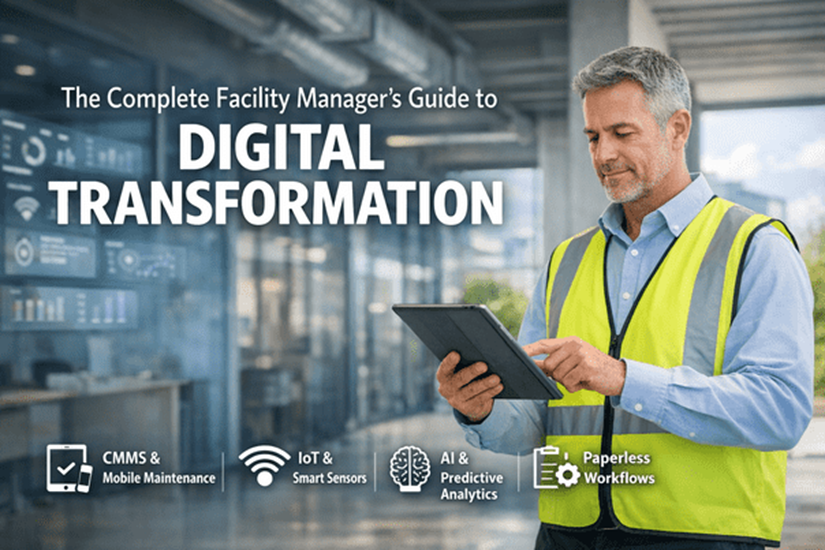
As we look toward the future, the intersection of facility management and mobile technology will continue to evolve. The demands placed on facility managers are intensifying, with a growing emphasis on sustainability, energy efficiency, and occupant well-being. Mobile EAM will play a pivotal role in addressing these challenges by providing the tools necessary to monitor and optimize facility performance in real time.
The integration of mobile EAM with smart building technologies will enable more sophisticated approaches to predictive maintenance. Technicians will receive automated alerts based on real-time environmental conditions and equipment performance, allowing them to address potential issues before they impact operations. Additionally, mobile applications will increasingly incorporate augmented reality (AR) capabilities, providing technicians with visual guidance and remote expert support during complex repair procedures.
For organizations seeking to future-proof their operations, investing in a robust CMMS solution with strong mobile capabilities is essential. The ability to seamlessly connect the physical and digital realms will be a defining characteristic of successful facility management strategies in the years to come.
Conclusion
The adoption of mobile EAM is no longer a luxury; it is a necessity for organizations striving to achieve operational excellence in 2026 and beyond. By empowering field technicians with real-time information and streamlined workflows, mobile EAM significantly improves productivity, reduces costly downtime, and maximizes return on investment. While implementation challenges exist, the strategic benefits far outweigh the initial hurdles.
As the industrial landscape continues to digitize, the organizations that embrace mobile-first maintenance strategies will be best positioned to thrive. By leveraging comprehensive enterprise asset management solutions that prioritize mobility, businesses can transform their maintenance operations from a reactive cost center into a proactive driver of profitability. The time to embrace the power of mobile EAM is now.