Introduction: The Hidden Cost of Maintenance Chaos
In the fast-paced landscape of 2026, operational efficiency is no longer just a goal; it is a fundamental requirement for survival. Yet, many enterprises continue to struggle with disjointed maintenance processes. The core of this issue often lies in poor work order management. When maintenance tasks are tracked via paper, spreadsheets, or outdated legacy systems, the results are inevitable: miscommunication, delayed repairs, and escalating costs. In fact, research shows that 58% of facilities still spend less than half their time on scheduled maintenance, reacting to emergencies rather than preventing them.
Implementing a robust work order management system is the critical first step toward shifting from reactive chaos to proactive control. This comprehensive guide explores how modernizing your work order processes can drastically reduce unplanned downtime, optimise technician productivity, and transform your facility maintenance strategy in 2026 and beyond.
The Staggering Impact of Unplanned Downtime
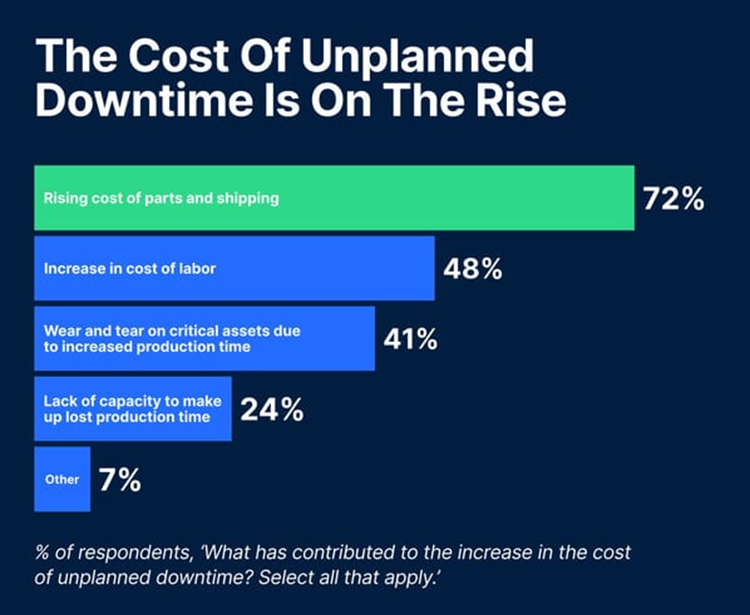
Before diving into solutions, it is essential to understand the true cost of inefficient maintenance operations. Unplanned equipment downtime is not merely an inconvenience; it is a massive financial drain. According to the Siemens True Cost of Downtime 2024 report, unplanned equipment downtime costs the average Fortune 500 company an astonishing $2.8 billion every year, representing roughly 11% of total revenue.
Furthermore, the average manufacturing plant loses $253 million annually to unplanned downtime. With the average facility experiencing 25 unplanned downtime incidents per month—adding up to 326 hours of lost production time annually—the need for a streamlined maintenance work order system has never been more urgent. A major contributing factor to these losses is an inefficient work order tracking software that fails to prioritize critical tasks or provide technicians with the necessary historical data to resolve issues quickly.
What is Work Order Management?
At its core, work order management is the systematic process of capturing, scheduling, assigning, executing, and tracking maintenance tasks within an organization. A work order serves as the central document that details what work needs to be done, who is authorized to do it, what parts and tools are required, and when the task should be completed.
When integrated within a Computerized Maintenance Management System (CMMS) or an Enterprise Asset Management (EAM) platform, this process becomes highly automated. It eliminates the manual bottlenecks that plague traditional operations, ensuring that every request—whether it is a routine inspection or an emergency repair—is handled with maximum efficiency.
Core Components of an Effective Maintenance Work Order System
To truly optimize operations, a modern maintenance work order system must encompass several critical functionalities. First, automated request capture ensures that maintenance requests submitted by any authorized personnel via a user-friendly portal or mobile application automatically generate a standardized work order. Second, intelligent triage and prioritization means the system automatically ranks work orders based on asset criticality, safety risks, and production impact.
Third, resource and inventory allocation verifies that required spare parts are available before a technician is dispatched, seamlessly integrating with your Enterprise Asset Management processes. Fourth, mobile execution gives technicians access to work orders, equipment manuals, and historical repair data directly on their mobile devices—as highlighted in our Mobile EAM guide. Finally, data analytics and reporting capture granular data upon completion to feed continuous improvement initiatives.

How to Improve Work Order Management in Facility Maintenance
Transitioning to a digital platform is only part of the solution. To maximize return on investment, organizations must also adopt proven strategies.
- Standardize Data Entry and Categorization: Implement standardized drop-down menus for fault codes, asset hierarchies, and action taken codes. This structured data is essential for accurate reporting and future predictive analytics.
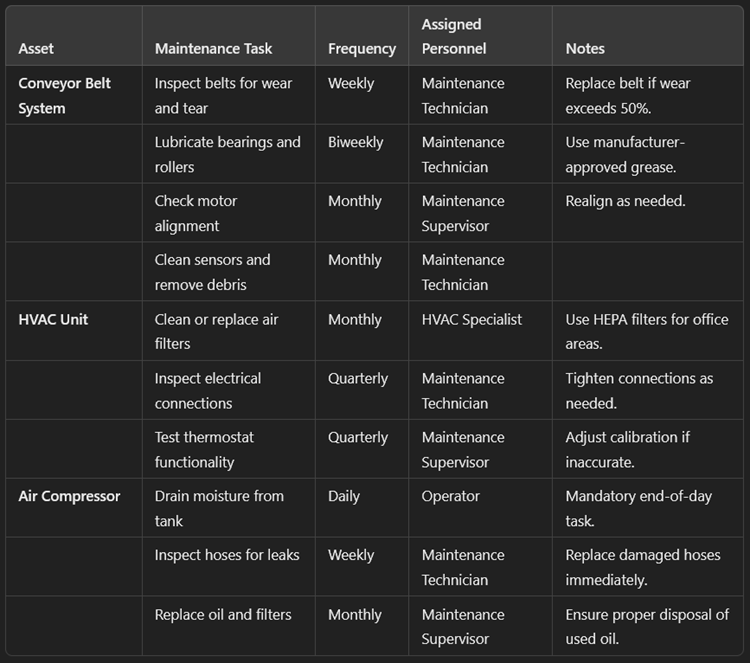
- Embrace Preventive Maintenance Scheduling: Automate the generation of preventive maintenance work orders based on calendar intervals or meter readings. While 71% of maintenance professionals cite preventive maintenance as their primary strategy, execution often falls short.
- Leverage AI and Predictive Analytics: By integrating IoT sensors with your work order system, assets can automatically trigger work orders when operating parameters exceed normal thresholds. Predictive maintenance can reduce maintenance costs by up to 25% and increase uptime by 10% to 20% . In fact, 65% of maintenance teams plan to adopt AI technologies by the end of 2026.
- Optimize Inventory and Procurement Workflows: When a work order is generated, the system should automatically reserve the necessary parts or trigger a purchase requisition if inventory levels fall below minimum thresholds.
- Empower the Mobile Workforce: Equipping technicians with mobile devices allows them to receive real-time updates, access digital manuals, and close out work orders directly from the plant floor.
Comparing Reactive vs. Proactive Work Order Strategies
| Feature | Reactive (Legacy) Approach | Proactive (Modern EAM) Approach |
| Request Method | Paper forms, phone calls, emails | Automated portals, IoT sensor triggers |
| Prioritization | First-in, first-out (or loudest complainer) | Automated based on asset criticality matrix |
| Data Accessibility | Locked in filing cabinets or siloed spreadsheets | Real-time mobile access to historical data |
| Inventory Management | Manual checks, frequent stockouts | Automated reservations and reorder triggers |
| Reporting | Time-consuming manual compilation | Real-time dashboards and predictive analytics |
The Role of EAM in Work Order Management Best Practices
While a standalone CMMS provides basic functionality, an integrated Enterprise Asset Management system offers a holistic view of the entire asset lifecycle. Work order management best practices for enterprise asset management dictate that maintenance activities must be aligned with broader organizational goals, such as capital planning, regulatory compliance, and energy management.
For instance, detailed work order histories captured within an EAM system are invaluable for determining whether an aging asset should be repaired or replaced. By analyzing the cumulative cost of maintenance work orders against the asset’s replacement value, operations executives can make data-driven capital expenditure decisions, ultimately maximizing EAM ROI.
Conclusion: Transform Your Maintenance Strategy Today
In 2026, relying on outdated methods to manage maintenance activities is a guaranteed path to increased downtime and inflated costs. Effective work order management is the linchpin of a successful maintenance strategy, providing the structure, visibility, and automation necessary to keep complex facilities running smoothly.
By standardizing data, embracing mobile technology, and integrating predictive analytics, organizations can reduce downtime with an automated work order management system, shifting their focus from fighting fires to driving continuous improvement. For organizations ready to take the next step, SAMEX EAM offers a comprehensive platform designed to streamline every aspect of your maintenance operations.